
Can Roof Rejuvenation Improve Fire Resistance?
What Homeowners Need to Know About Asphalt Shingles, Aging & Fire Performance
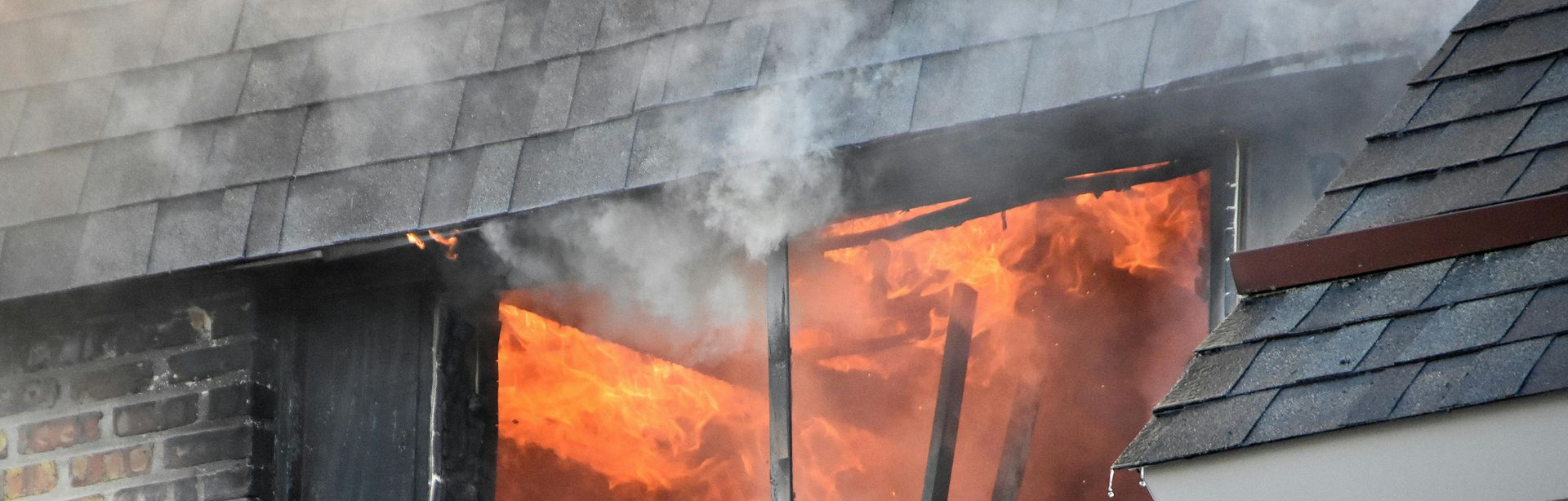
When homeowners think about roof protection, they usually focus on wind, hail, and leaks.
But one of the most overlooked factors is:
How well your roof performs in a fire — especially as it ages.
If your roof is 10–25 years old, its fire performance may not be what it once was.
So the real question is:
Can roof rejuvenation improve fire resistance?
Let’s break it down with real data and real-world performance.
Understanding Asphalt Shingle Fire Resistance
Most asphalt shingles are manufactured with a Class A fire rating, which is the highest level of fire resistance for residential roofing.
This rating is based on:
- New shingles
- Controlled lab testing
- Ideal installation conditions
But over time, shingles are exposed to:
- UV radiation
- Heat cycling
- Weather
- Oxidation
And that’s where things change.
What Happens to Fire Resistance as Shingles Age?
As shingles age, they lose the oils that keep the asphalt binder flexible.
This leads to:
- Brittle shingles
- Micro-cracking
- Granule loss
- Surface deterioration
And here’s the key:
Granules and flexibility are critical to fire performance
Granules help slow flame spread, while flexibility helps shingles maintain their structure under heat.
As those degrade, the roof becomes more vulnerable.
Real Testing: How Fresh Roof Impacts Fire Resistance
This is where things get interesting — and where Fresh Roof separates itself.
According to independent third-party testing performed by PRI, the spread of flame across shingles was significantly reduced after treatment.
- Untreated shingles: Fire spread reached 44 inches
- Fresh Roof treated shingles: Fire spread was limited to just 13 inches
That’s a 70% reduction in flame spread
This matters because:
The spread of flame is one of the most critical factors in how quickly a fire can move across a roof.
By slowing that spread, the roof has a better chance of resisting rapid fire progression and reducing overall damage.
Why This Happens: The Science Behind It
Fresh Roof works by restoring the asphalt binder within the shingle.
This leads to:
✔ Improved flexibility
✔ Stronger granule adhesion
✔ Reduced brittleness
✔ Better surface integrity
When shingles are restored instead of dried out, they:
- Maintain their protective mineral layer longer
- Resist cracking under heat
- Slow the exposure of underlying asphalt
- Perform more consistently under stress
All of these factors contribute to better real-world fire performance behavior.
Why Granule Retention Is Critical for Fire Resistance
Most homeowners don’t realize:
Granules are part of the fire protection system.
They help:
- Shield asphalt from direct heat
- Slow flame spread across the surface
- Protect the integrity of the shingle
When granules fall off, the exposed asphalt becomes more vulnerable.
Fresh Roof helps lock those granules in place, which plays a major role in maintaining fire resistance over time.
Roof Rejuvenation vs Surface Coatings
Not all roof treatments behave the same.
Some products:
- Sit on top of the shingle
- Provide temporary surface effects
Fresh Roof is different.
It penetrates into the asphalt and restores the shingle from the inside out.
That internal restoration is what supports:
- Long-term durability
- Structural integrity
- Granule bonding
- Consistent performance under heat
Important: Does Roof Rejuvenation Change Fire Rating?
Let’s be clear:
Roof rejuvenation does not change a roof’s official Class A, B, or C fire rating.
However:
It helps aging shingles maintain the performance characteristics they were originally designed with.
And in real-world conditions, that matters.
Where This Matters Most
Fire resistance becomes even more important in:
- Wildfire-prone areas
- High heat climates
- Drought conditions
- Dense residential neighborhoods
In these environments, slowing flame spread — even by a small margin — can make a significant difference.
A Smarter Approach to Roof Protection
Most homeowners wait until their roof fails.
But by then, it’s too late.
Roof rejuvenation is about:
Maintaining performance before failure happens
Just like:
- Sealing a driveway
- Servicing a vehicle
- Maintaining HVAC systems
Your roof performs better when it’s maintained — not ignored.
Why Fresh Roof Is Leading This Category
Fresh Roof isn’t just a surface treatment.
It’s designed to:
- Restore the asphalt binder
- Improve flexibility
- Enhance granule adhesion
- Support long-term durability
And now, with independent testing showing a 70% reduction in flame spread, it’s clear that rejuvenation can play a meaningful role in overall roof safety.
The Bottom Line
Roof rejuvenation is not fireproofing — but it is performance restoration.
As roofs age:
- They dry out
- They lose granules
- They become brittle
- They lose resilience
Fresh Roof helps reverse those effects.
- Restoring flexibility
- Strengthening granule adhesion
- Supporting fire performance behavior
If your roof is aging, the question isn’t just:
“Will it leak?”
It’s: Is it still performing the way it was designed to?







Best Roof Rejuvenation in California: Why Smart Homeowners Are Choosing Restoration Over Replacement