
Roof Aging in Coastal Climates: Salt, Humidity & How to Protect Your Shingles
Roof Aging in Coastal Climates
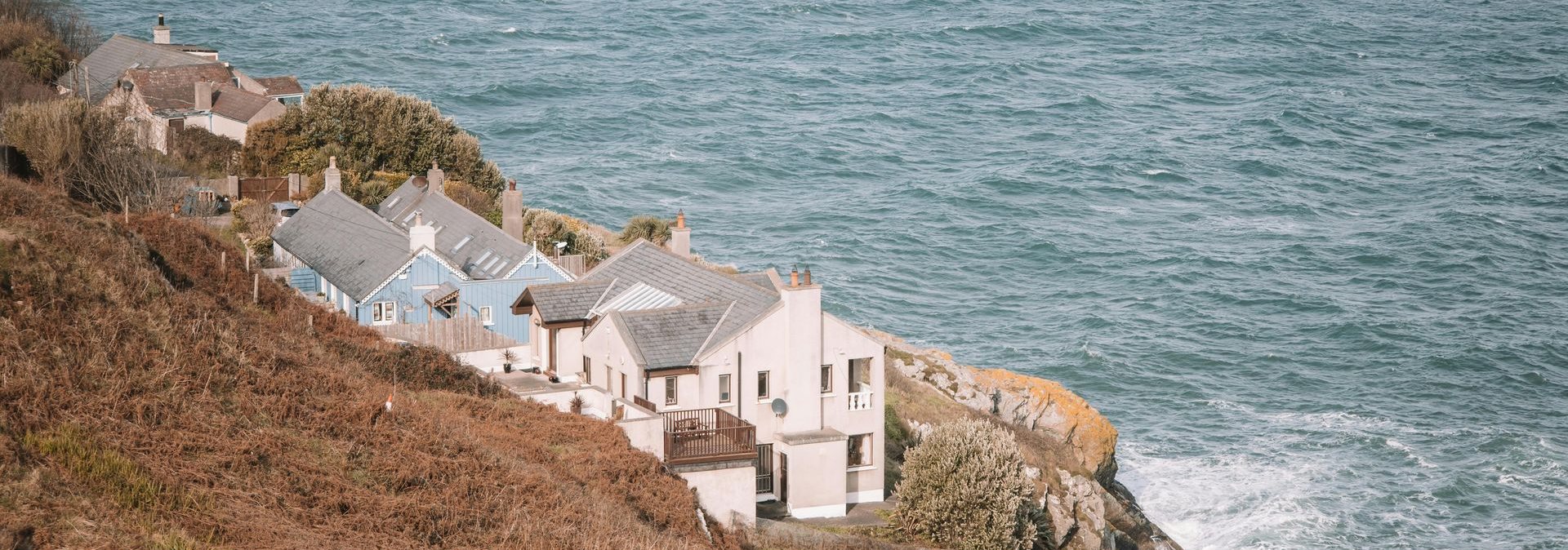
Living near the coast has its perks — ocean views, fresh air, and milder winters. But while coastal living is great for homeowners, it can be tough on your roof.
If you live near the ocean, your shingles are exposed to a unique combination of stress factors that accelerate roof aging in coastal climates:
Salt air
High humidity
Strong coastal winds
Intense UV reflection off water
Over time, these elements can dry out, weaken, and prematurely age asphalt shingles — often years before their expected lifespan.
Here’s what coastal homeowners need to know about protecting their roofs and extending shingle life.
How Salt Air Damages Asphalt Shingles
Salt in coastal air isn’t just tough on cars — it affects roofing systems too.
Salt particles carried by wind settle on your roof and can:
- Accelerate oxidation of asphalt shingles
- Break down protective surface layers
- Increase granule detachment
- Contribute to faster material degradation
Salt doesn’t “eat through” shingles the way it corrodes metal, but it speeds up the natural aging process, especially when combined with heat and UV exposure.
This is one of the main drivers of premature roof aging in coastal climates.
Humidity and Moisture: A Hidden Threat
Coastal regions often have higher humidity year-round. Moisture exposure creates several problems for shingles:
- Increased expansion and contraction cycles
- Slower drying after rain
- Higher risk of algae and organic growth
- Granule loosening over time
Constant wet-dry cycles weaken the asphalt binder — the glue that holds the shingle together.
When shingles absorb moisture and then bake in the sun, they lose flexibility faster. Over time, this leads to:
❌ Cracking
❌ Curling
❌ Brittleness
❌ Accelerated granule loss
UV Reflection from Water
Water reflects sunlight, increasing UV exposure to coastal homes.
That means shingles near the coast often receive:
- Direct UV rays
- Reflected UV rays
- Prolonged high surface temperatures
UV exposure dries out the natural oils inside asphalt shingles — which is the #1 cause of aging.
Once those oils are depleted, shingles become brittle and prone to cracking during windstorms or temperature shifts.
Why Coastal Roofs Often Fail Early
Inland roofs typically age from gradual UV exposure and weather cycles.
Coastal roofs age from:
✔️ Salt + UV
✔️ Humidity + heat
✔️ Wind + thermal stress
This combination accelerates the breakdown of the asphalt binder inside the shingle — the component responsible for flexibility and durability.
Many coastal homeowners are surprised when their “20–30 year” shingles show aging at year 10 or 12.
The issue isn’t poor installation.
It’s accelerated environmental stress.
Coastal Roof Restoration: A Smarter Alternative to Early Replacement
Replacing a roof near the coast can be expensive — especially in storm-prone or high-demand markets.
But in many cases, shingles aren’t structurally failing they’re simply drying out and losing flexibility.
That’s where coastal roof restoration becomes an attractive solution.
Roof rejuvenation treatments work by restoring the lost oils inside aging shingles helping them regain flexibility and durability.
However…
Not all roof rejuvenation products are equal.
Why Some Roof Sprays Struggle in Coastal Conditions
Surface-level softeners or temporary oil treatments may:
- Evaporate quickly in high heat
- Wash away faster in humid climates
- Provide only cosmetic improvement
- Fail to restore the asphalt internally
In coastal climates, durability matters. Treatments must penetrate and rebuild — not just coat.
Why Fresh Roof Is Ideal for Coastal Homes
Fresh Roof uses GreenSoy™ Technology designed to restore shingles from the inside out.
Instead of sitting on the surface, Fresh Roof:
✔️ Penetrates into the asphalt binder
✔️ Replenishes lost oils from UV exposure
✔️ Restores shingle flexibility
✔️ Improves granule adhesion
✔️ Slows future aging
✔️ Helps shingles better resist environmental stress
For coastal homeowners, this means:
- Better performance in humid conditions
- Improved resistance to cracking from wind stress
- Longer shingle life despite salt exposure
- Delayed need for full roof replacement
By addressing the root cause of shingle aging, Fresh Roof helps coastal roofs perform more like they did when new.
How to Know If Your Coastal Roof Is a Good Candidate
You may be a good candidate for roof rejuvenation if:
- Your roof is 1–18 years old
- Shingles appear dry or faded
- Moderate granule loss is visible
- No major structural damage exists
- Your roof passes a professional inspection
Many coastal roofs still have strong structural integrity — they just need restoration before brittleness sets in.
Protecting Your Roof Before It’s Too Late
In coastal climates, waiting until you see major cracking or curling can mean the damage has already accelerated.
Proactive maintenance — including inspection and rejuvenation — can:
✔️ Extend roof life significantly
✔️ Reduce long-term replacement costs
✔️ Improve performance in high humidity
✔️ Preserve property value
The sooner aging is addressed, the more effective restoration becomes.
Final Takeaway: Coastal Roofs Need Coastal Solutions
Salt air, humidity, UV reflection, and wind combine to accelerate roof aging along the coast.
Instead of replacing your roof prematurely, restoration with Fresh Roof can help replenish lost oils, restore flexibility, and protect shingles from further environmental damage.
If you live near the coast and your roof is showing signs of aging, restoration may be the smartest next step.
Schedule a professional roof evaluation today
HERE



Best Roof Rejuvenation in California: Why Smart Homeowners Are Choosing Restoration Over Replacement