
How Climate Affects Roof Aging — and What You Can Do About It
How Climate Affects Roof Aging — and What You Can Do About It
Your roof works harder than any other part of your home. Every day, it’s exposed to harsh sun, freezing temperatures, moisture, and wind all of which speed up roof aging. The type of climate you live in directly impacts how quickly your shingles break down.
Whether you’re in a hot southern state or a cold northern one, understanding how your local roof climate affects roof wear can help you protect your investment and extend your roof’s life through roof restoration.
Roof Aging in Heat: Sun, UV, and Asphalt Breakdown
Hot weather is one of the biggest enemies of asphalt shingles. When your roof bakes under intense sunlight and high temperatures, the oils inside the asphalt dry out leading to roof aging in heat.
Here’s what happens:
- UV radiation breaks down the asphalt’s chemical bonds.
- High surface temperatures (often over 150°F) cause the shingles to expand and contract daily.
- Over time, this leads to cracking, curling, and granule loss the first visible signs of roof wear.
- Once granules loosen, UV rays reach deeper into the asphalt, accelerating aging even faster.
Even newer roofs can experience premature wear if exposed to extreme heat year after year.
What You Can Do:
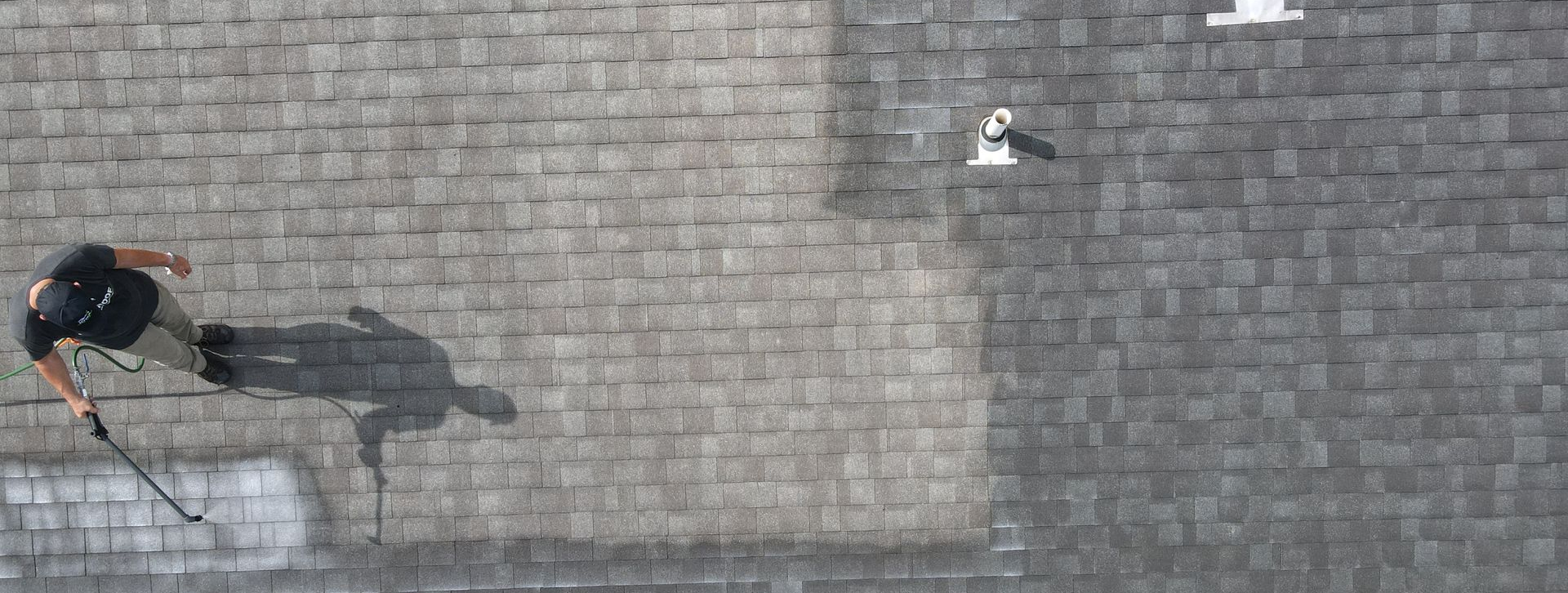
Consider a roof rejuvenation treatment
with Fresh Roof. Our soy-based GreenSoy™ Technology restores the natural oils that heat and UV have stripped away, helping shingles stay flexible and protected. A single treatment can add years of life back to your roof.
Cold Weather Shingle Damage: The Freeze–Thaw Effect
If you live in a northern or midwestern climate, winter can be just as tough on your roof as the summer sun. Cold weather shingle damage happens when moisture seeps beneath granules or between shingles then freezes and expands.
That expansion leads to:
- Cracked or split shingles
- Loosened seals
- Ice dams that push water under the roofline
- Increased brittleness that makes shingles prone to break when walked on or hit by debris
Older shingles that have lost their flexibility are especially at risk.
What You Can Do:
Before winter sets in, have your roof inspected for weak spots or brittle shingles. Applying
a roof restoration treatment in the fall can help rejuvenate your shingles’ flexibility, reducing cracking during freeze–thaw cycles and improving water resistance all season long.
Humidity, Rain, and Roof Wear
High humidity and frequent rain may seem harmless, but moisture is one of the most common causes of roof wear over time. Constant wet–dry cycles can cause granule shedding, algae growth, and even small leaks.
If your roof doesn’t dry quickly, it can trap moisture inside the shingles creating ideal conditions for mildew and long term asphalt decay.
What You Can Do:
Keep your gutters clear and ensure proper attic ventilation. Both steps help moisture escape faster. A rejuvenated roof surface also resists water absorption better, reducing long term damage from humidity.
Wind, Hail, and Storm Exposure
Extreme weather events can also speed up roof aging especially strong winds that lift shingle edges or hail that bruises the surface. Even if your roof looks fine from the ground, the damage can be microscopic.
Once wind or hail weakens the granule bond, UV and moisture intrusion follow quickly, leading to larger problems later.
What You Can Do:
After major storms, schedule a roof inspection and consider a protective rejuvenation treatment. Fresh Roof not only restores shingle oils but strengthens the asphalt matrix, helping your roof better withstand future weather swings.
Roof Restoration: The Smart Way to Fight Climate Damage
No matter where you live hot, cold, wet, or windy the climate is constantly working against your roof. But thanks to modern roof restoration technology, you can fight back.
Fresh Roof uses proprietary GreenSoy™ Technology to chemically restore the oils within your asphalt shingles, reversing years of climate driven damage. Independent lab testing shows improvements in flexibility, granule adhesion, and tensile strength meaning your roof lasts longer, performs better, and looks newer.
Instead of replacing your roof early because of weather-related wear, restore it and save thousands.
Final Takeaway
Every climate causes roof aging differently but the solution is the same: restore, don’t replace.
Protect your roof before the next heatwave, snowstorm, or downpour hits.
Learn more about Fresh Roof’s rejuvenation process and find a dealer near you HERE